MIXED NOTES
MIXED NOTES
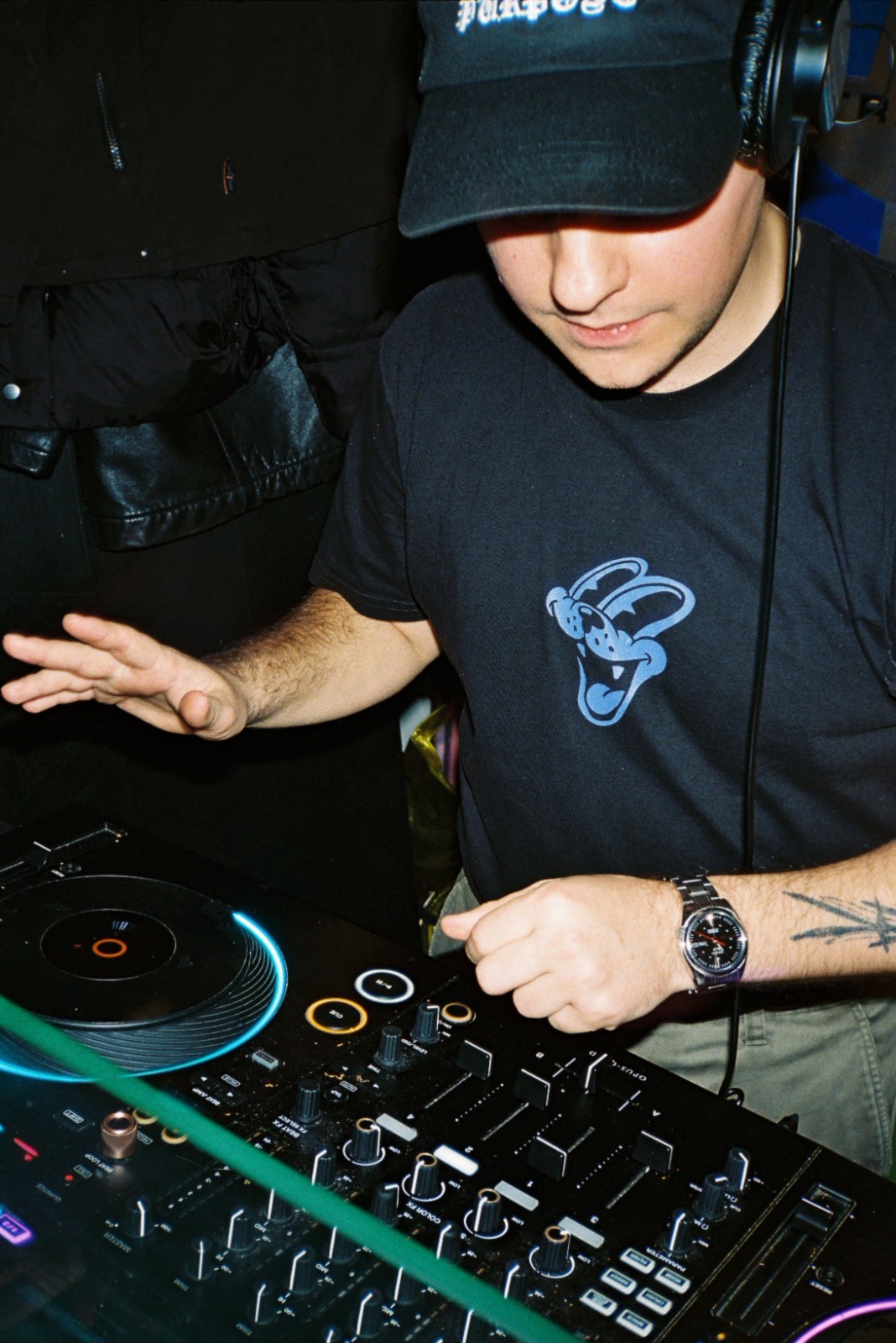
IDENTITY
Travis is a Barcelona-based DJ and selector whose work focuses on intersection of global club sounds, soulful frequencies, and experimental textures. From rhythmic intensity of Baltimore Club to laid-back, spiritual vibrations of Soulquarian galaxy, Travis treats the DJ booth as a space for both historical research and physical energy.
Currently a resident on Subtle Radio, Travis continues to explore afrofuturist themes and evolution of sub-genres, bridging gap between nostalgic textures and forward-thinking sounds of the modern underground. Whether performing at gallery openings or intimate club basements, the objective remains the same: a deep, human connection through the fabric of sound.

I'm not much of a writer, I'm more of a talker, so this initiative might seem odd to some, myself included. There are a few reasons why I decided to start this newsletter, or diary, in a way.
First, I really enjoyed reading my friend Telio's one. Second, my memory is terrible when it comes to the things that happen to me, and I hardly keep track of anything, so this is an attempt to get a better view of what goes on in my life on a monthly basis (hopefully). Finally, I find social media, especially Instagram, a bit limited when it comes to developing ideas.
As you probably know if you're reading this, I'm really into music. I love listening to it, reading about it, and talking about it. So this will also be a way to document my most recent obsessions, how they connect across my radio shows and gigs, and what I've been listening to lately.
An Ode to Vinyl and Vinyl Fairs

The other day I bumped into a hot take on IG reels claiming that records sound worse than other formats like CD or MP3. The truth is, "better" is subjective. While I don't listen to them at home as much as I should, a couple of years ago I started playing them for other people. This shift transformed my music consumption. Surprisingly, it hasn't triggered the buying spree I feared; instead, it has deepened my appreciation for the format's unique character.
There's the crackle and the hiss. This frequency is scientifically proven to appeal to the human ear, to the point where artists voluntarily add it to their digital sessions. I've tried this myself; it adds a layer of grit that makes a track feel more "finished."
There is a specific ritual to the format. You take the record out of the sleeve, check the label, adjust the RPMs, and drop the needle so the diamond touches the grooves. This isn't just nostalgia; it's an active engagement. It forces you to listen with intent while you relax. Then comes the physical demand: get up, turn it around.
The artwork also deserves more credit. Seeing a cover in its intended proportions provides a vivid experience that a thumbnail on a phone can't replicate. You can actually read the liner notes or curator commentaries, gaining a historical context that streaming services often strip away. You get posters, extra photos, and official credits. For the obsessed, it's the only reliable way to track the mixing and mastering engineers who actually shaped the sound.
Vinyl serves a purpose beyond sitting in dimmed lights with a glass of whiskey. You can also play them, or even play with them; they probably make for a decent frisbee, though I haven't tested that theory yet. I'm talking about DJing. Many people assume vinyl DJs only play records to scratch. That's a misconception. You can scratch on digital gear just fine. For me, DJing with records is about mental clarity. I have more time to actually listen to the music because I'm not staring at a waveform or over-analyzing a digital transition. I play my records like a radio DJ, skipping the talk to let the music speak for itself. ;)
The process is raw and physical. I take the previous record off, browse the bag, and squint to find the right groove. Sometimes I have to flip it because the track was on Side B. Then there is the "DJ pose": pushing the headphones against one ear to cue the beat. People mimic this move without knowing why; it's the only way to sync the rhythm before the crowd hears it.
Vinyl creates a necessary entry barrier. Curiously, in Barcelona, more venues welcome vinyl DJs than those using USBs. Perhaps the gear is more affordable for the bar, or the aesthetic appeals more to people grabbing a wine or coffee. It also acts as a natural filter, preventing DJs from dropping high-velocity trance playlists in quiet, intimate spaces. It allows for a broader spectrum of collectors who prioritize curation over technical gymnastics.
When I play my records, the sets feel like cinematic scores. During long sessions, I look for tracks that fill atmospheric gaps, lowering the energy before the next peak. Because the pressure of digital beatmatching is gone, I can focus on melodic elements and emotional resonance rather than just chasing a high BPM.
Collecting is about the hunt. As I've grown older, material goods feel less satisfying, but record stores remain a reliable source of discovery. Finding an album I never expected to see on vinyl is a thrill. Sometimes the price tag is a reality check, but that's the game.
I value the conversations with shop owners and the discovery of checking second-hand crates. There is a tangible reward in finding a rare white label. I'm now starting to dig for samples for my own production. The 1 to 5 euro bins are treasure troves of forgotten history. Hidden gems sit there, abandoned by the people who made them. They come with scars: cigarette burns, marker notes from previous DJs, or messages written in pen from a former lover.
I recently played a set at a vinyl fair. It was short, thanks to a failed alarm, but immensely rewarding. I connected the dots between jazz, hip-hop, and "Intelligent Dance Music." I've always found that genre name ironic, as the music is rarely "intelligent" and almost never danceable. Still, it was the largest crowd I've played for. Even if they weren't all paying attention, I received validating feedback from other performers and the sellers themselves.
These sellers deserve an homage. A vinyl fair is the essential antidote to the digital isolation of Discogs. You meet people who have turned a side hustle into an international business. Even if the crates are stuffed with "dad's music," specifically rock, pop, and folk, I always end up finding something I didn't know existed. The world of music doesn't live on an algorithm. It's in those dusty, hole-in-the-wall stores and weekend fairs. Go talk to the people, check the second-hand cases, and find what's waiting for you.
Everything is Political to me, Even House Music

It is a recurring joke in my circles and on the internet that House music nowadays sounds like shopping at Zara or H&M. Here in Barcelona, it often feels like a new version of elevator music: bland, unaggressive, and serving as a mere sonic background to capitalistic activities. I've seen people play House on amazing setups, only for someone in my group to scoff, "Another boring DJ Spotify," or "DJ TikTok," expecting a reaction from me.
For those who know me, I try to have the least elitist point of view on the industry. If a bar owner asks you to play something loungey that won't stop his clients from consuming, you do it. That is part of the game. I am lucky enough to have other sources of income, so I can pick the gigs where I am allowed to play whatever I want, but I still respect the craft. Yet, I wonder: how has "House" become such an insult?
As with many other DJs when we were just kids, I learned by playing House in my bedroom. Learning to beat-match a 4/4 beat was a rite of passage. At the same time, I became interested in producers like Kaytranada, Disclosure, and Ross From Friends, mainly because they played electronic music with immense emotional value through beautiful pads and soulful samples. Later, I dived into household names, no pun intended, like Moodymann, Rick Wade, and Kerri Chandler, whom I was lucky enough to see playing reel-to-reel at Sónar a few years ago.
Writing about House is a strange feeling because, despite not being a "House DJ" per se, the genre is my connecting matrix. It is the source where all genres come from, whether it is Techno, UK Garage, or even Juke. But we try to put music into boxes to respond to market needs. Beyond selling units, what is the actual need to categorise and ensure the "final consumer" knows exactly what they are getting?
I wish I had something funnier to say about the history, but if you are reading this, you likely know the staples: how it appeared in Chicago from New York DJs, travelled to Detroit, and then to London, Paris, and Berlin. You likely know it was the response of African Americans to the infamous Disco Demolition Night. We often ask: why make everything political? Above all, how can House music, this joyful music we hear while shopping for overpriced vintage clothes, be political?
The answer is that House makes me feel good. It should make you feel good, too. Whether it is deep, afro, or tech, those beats were made to party. And "partying" has many meanings. It was a refuge for the queer Black people in Chicago. While it might be a Gen Z cliché to say "partying is an act of resistance," in these times, knowing there is a global rhythm that brings happiness is something to treasure.
We need to reconquer House music. We need to take it out of the clothing stores and hotel rooftops and put it back into dark rooms. In those spaces, you can barely see the DJ, but you can find yourself and your friends, dancing and sharing love without thinking for a minute about what is going on outside. Taking care of yourself and the ones you care about is also an act of resistance; it is what will fuel the revolution we need to abolish this system.
Someone at a party this weekend told me they were "economically right but culturally left," or something along those lines. I didn't have the energy to engage because I was tired and the world is upsetting, but I wish I had told her: you cannot have one without the other. Right-wing economics are inherently culturally oppressive. Everything is political to me. Especially House music.
Back to School (and Learning What I Love)
.png)
If I had to sum up what 150 hours of sitting in front of a screen taught me, it's this: it is never too late to bridge the gap between being a fan and being a professional. After a marathon of classes on BlueButton, which is basically a slightly grittier version of Google Meet, I've come away with a massive boost in confidence. I wanted to share this summary to encourage anyone sitting on the fence to take the leap and learn about what they love, even if it feels out of reach.
Ever since I turned one of my Instagram accounts into a professional one so my friend and manager Gillian could have access, my feed has been a minefield of targeted ads. I'm not a fan because most of them feel scammish, but one caught my eye because it was covered in official government and EU logos. It felt more legitimate than the usual AI-generated artwork of a DJ playing to a stadium full of NPCs. I handed over my data, praying it wouldn't be sold to the kind of websites that require an Incogni subscription to escape. To my surprise, a real person called me that same day. She explained the criteria: you had to be unemployed, self-employed, or working at an SME. I happen to fall into that last camp (for better and for worse, as these smaller structures can be a double-edged sword) and as a side note: always unionize and pick the furthest left option on the ballot. You can never go left enough and the horseshoe theory is a hoax.
The course was titled Digital Transformation in the Music Industry: Innovation and Strategies for SMEs. Because it was fully subsidized by the Next Generation EU funds, the schedule was intense. Classes ran from 5:00 PM to 8:00 PM, Monday through Thursday. Waking up at 7:00 AM to be at my office job as a Data Curator by 8:00 AM meant I was usually sprinting to the underground by 4:30 PM just to connect to the course the second I got home. It turned my life into a series of 12-hour shifts behind a computer, but seeing the digitalization of the industry firsthand made the exhaustion feel productive.
Our teacher, Curro Donaire, was fantastic. He is a witty man from Sevilla who seemed to have lived several different lives already. He was incredibly patient, taking the time to answer every single doubt. The student body was a refreshing mix of ages and backgrounds from all over Spain. Most were musicians or industry pros. While the gender balance still skewed male (a shift that is happening slowly in the industry) the women in the class were vocal and insightful. Their perspectives were a great reminder of the unique challenges they face, which are challenges I don't necessarily encounter myself (omg such an ally).
The classes covered how the creative process works, what jobs exist in the industry, and how to run a project from A to Z using digital tools. We talked about AI, of course, along with all sorts of useful websites and tips. We also had brilliant interventions from professionals, including a marketing session. Marketing is something I usually struggle with because I love the planning side but I absolutely loathe actually using Instagram. There were several exams that were mostly multiple choice and I never scored below a 9/10 (NERD ALERT!). The finale was a project developed in three parts: the concept, the economic viability plan, and an audiovisual explanation. I based mine on an upcoming project involving live event curation. I can't say too much yet, but let's just say I'm putting these digital strategies to the test very soon.
Beyond finally learning that Kit Digital is actually a government grant for digitalizing your business (rather than just an annoying YouTube ad) this course gave me momentum. It's inspired me to keep building and experimenting. It's a reminder that with the right tools and the experience people put at your disposal, you can find solutions to almost anything. I'm now waiting to start an Ableton course with the same school and I honestly can't wait.
Found Sounds : From Crate to Beat @Co'Laab

Last month, I was lucky enough to be invited to an amazing workshop at Co'Laab, a record store and specialty coffee place in Poble Sec, Barcelona. The masterclass was organized by Adrien, owner of Co'Laab, whom I've been delighted to work with several times now, in collaboration with Technics. It was taught by the DMC World Champion DJ Kodh, the first French DJ winning DMC in 2000.
The concept was simple yet brilliant. Adrien, who manages musical operations at Co'Laab, picked three random records, and Ben (Kodh) had to select one to sample and transform into a brand-new beat. The picked record turned out to be a quirky 80s clarinet record. Kodh showed us his entire process in Ableton, chopping, sampling, and refining the sound until it was completely fresh. The track is soon to be shared with you all, and trust me, it was incredible!
Throughout the session, I felt a sudden rush of adrenaline. It was a warm wave of excitement that made me want to rush out of the room, grab my laptop, and start producing immediately. Though I have very little experience, every time I've sat down with a DAW like Ableton, Logic, or even GarageBand, I've had so much fun. That spark is exactly why I'm so happy to share that I'll be starting a course very soon to learn the basics of Ableton. Hopefully, I'll be releasing my own music in the near future!
Beyond the masterclass itself, I loved the atmosphere. From the moment I arrived, I found myself in passionate conversations with other musicians and DJs. The energy was collaborative and open. It filled me with that "right place, right time" feeling. It's a joy to be part of a growing community that treasures these interactions and has the ambition to take artists further. It feels good to be part of the change. Meet me for a coffee at Co'Laab, may you want to talk music together.
The Next Movement: Speaker Boxx #1 @P62
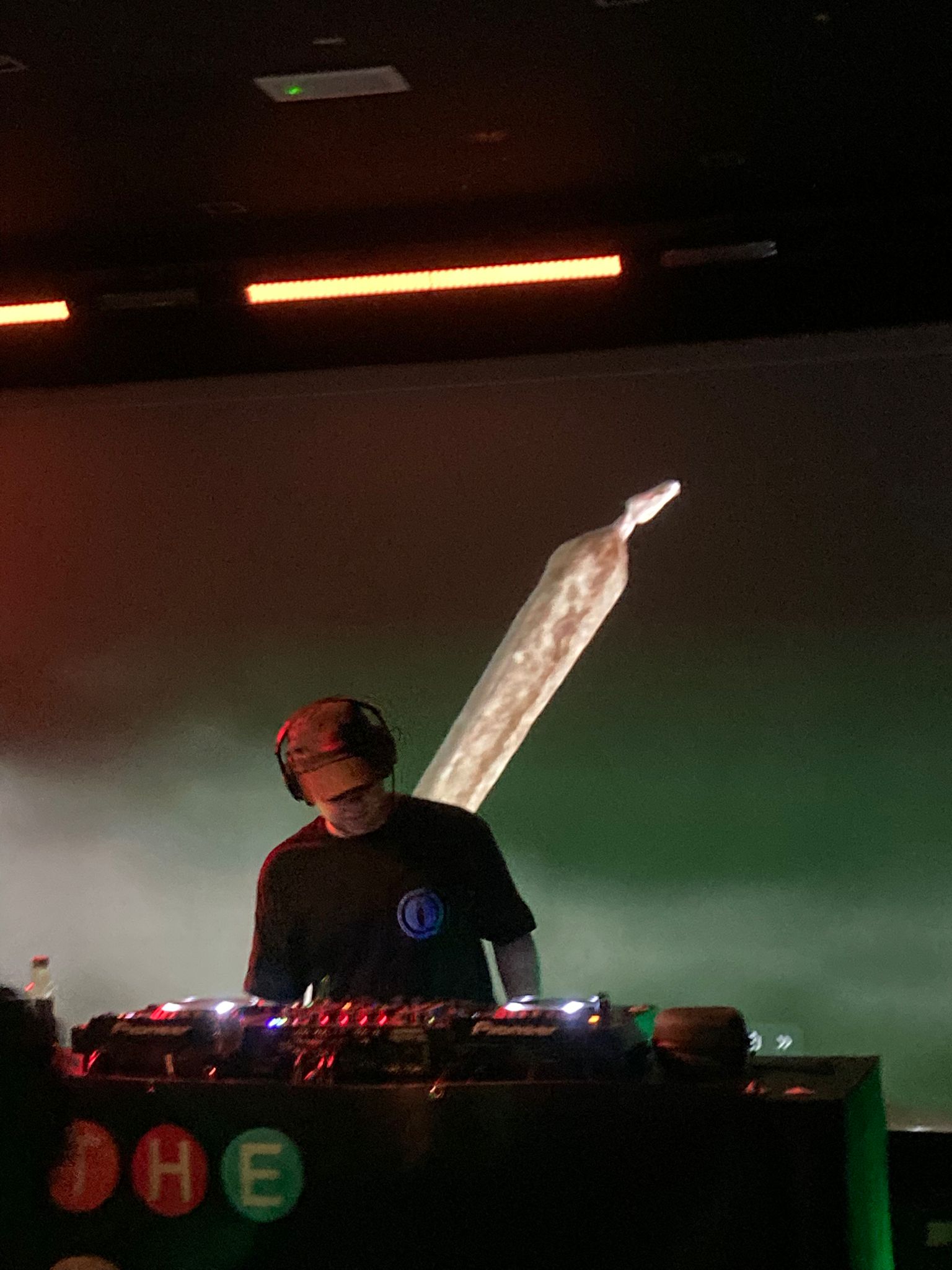
This is going to be a bit more difficult to write because there is so much to it, but I will do my best to keep it entertaining. As many of you know, I finally got my first real club gig. It happened quite surprisingly early to me. Although I have been DJing on and off for a while, I have only taken it seriously for the last couple of years, having to relearn a lot of the basics and get rid of some bad habits. But this is not what I want to focus on today.
I am not much of a psychologist, but I did dream about it a year ago or so. I was making my debut at a club in Berlin and my friend Telio (Alain Gertrand) was there to help me out. It was quite overstimulating, but I was in awe at what the other side of nightlife looked like. There was a strong feeling of calm before the storm in that dream. I do not know if there was much of a storm on Thursday, February 12th outside of me, but there was definitely no calm in the build up to the event.
When Jaime mentioned it after a gig at The Station, I did not really believe in it. After a few disappointments that have taken place throughout my short life, I have taken a stance to never dream too big because you never know what will end up happening. Getting my hopes high might result in disappointment, another bad habit that I have worked on getting rid of for the last couple of years.
Sorry for this more personal tangent. Going back to it, after I got the confirmation and met with the other DJs, Losko and Pank, I saw them perform once and felt that our vibes connected perfectly both personally and musically. Despite feeling like an uncle next to these two young and energetic lads, we started promoting like crazy. This is no easy task in this day and time. Despite having so many tools at our reach, it is also hard to exist in this ocean of information that surrounds us. Despite that, I could count on the unshakable support from my closest friends and some of their own friends, which is always a pleasure.
As I really saw this opportunity to grow as an artist, I decided to take it as professionally as possible to get the best result possible. Above all, if people are going to pay for tickets, I owed them a proper show with decent audio quality and some sick visuals.
To me, community and working with friends is the most important part of this journey. This is mainly because I have never really believed in myself to make it as an artist and live from it, which is why I am so attached to this nine to five job I have got and love to hate on. Deep down I am thankful for it because this way I can focus on my craft to the fullest without any pressure. I say this because I owe a lot to a dear friend of mine who has put a lot of work into this event too, despite having a probably even more demanding job himself.
My man Othmane shared a similar vision for the visuals and came up with a perfect plan to execute it. Because he is either crazy, a perfectionist, or just as passionate about everything as me, he created amazing visuals that blended shared humour and some very interesting contemporary ideas that left everyone in the audience and later on social media in awe.
What I played was a blend of lots of different genres, but mainly Juke, Footwork, Baltimore, and Jersey Club, Drum and Bass, and some oddballs here and there such as Baile Phonk remixes of pop tracks. Despite some technical and organisational issues and a lot of stress, I think it worked out. Everyone seemed to be really happy and having a good time, which is probably the best way to get paid back from this craft.
To all of you who came, thank you. For those who could not make it this time, luckily it will not be the last time this happens.
We Ride Slow: Chopped and Screwed @ The Station

After a fast-paced period filled with beautiful new encounters and, unfortunately, farewells, I decided to host a chopped and screwed session. While I am far from being the most knowledgeable person on the subject, I returned to what I do best: researching intensely in a very short amount of time. The result was a mix of old tunes and newer ones, stitched together through exploration and curiosity.
As I dug deeper, I started connecting the dots between DJ Screw's original invention and a more recent internet trend I find quite amusing: slowed and reverb. That led me to search for tracks carrying that same atmosphere and to experiment with making those worlds work together. I have to be honest: I love this kind of experimentation on the fabric of sound itself. Stretching it, breaking it down, and giving it a new emotional weight.
It took me back to a few moments from previous years, including a particularly difficult time in my life when I remember listening to King Krule's The Ooz slowed down and discovering even more beautiful chords hidden within the album. Another strong memory is my first encounter with Nicolas Jaar's album, and eponymous track, Space Is Only Noise. The idea behind the lyrics may be straightforward, but the execution and the feeling instantly make me float.
Music Non-Stop
Gig @shimmy_gallery
This was probably the peak of my energy this month. It lasted three days, during which music felt like it never stopped. An old friend was visiting for the weekend, which automatically put me in full host mode. I took her everywhere and introduced her to as many friends as possible, all while juggling a couple of small gigs I'd booked before she even decided to buy her tickets. Long story short, it turned into one of the best three days of my life.
Starting with a Rap gig for the people of Rose Production and Shimmy Gallery joining forces for the Festes de Sant Antoni. Since they needed a DJ to play tracks and do a little before and after session, I obviously said yes since it was something I always wanted to do to work with rappers. It allowed me to meet very nice people and keep building on my network, I hope that in the future I will be called to collaborate with them again.
Vinyl B2B with @dj_tabs at @co_laab

The next day was a whole different story. It was pouring rain in Barcelona, but that didn't stop me or my brilliant B2B partner from pulling out all the records we'd picked up a few days earlier. We played at a brand-new coffee shop and record store called @co_laab. Abi and I, also known as DJ Tabs (@tabs.mp3), started with what was meant to be an Aaliyah tribute on her birthday (RIP queen). It eventually turned into a really beautiful RnB and hip-hop afternoon, despite some technical difficulties at the beginning. That was followed by a fun night out filled with drag performances and pop tunes.
Heaven is just a Soundsystem @foc.tot
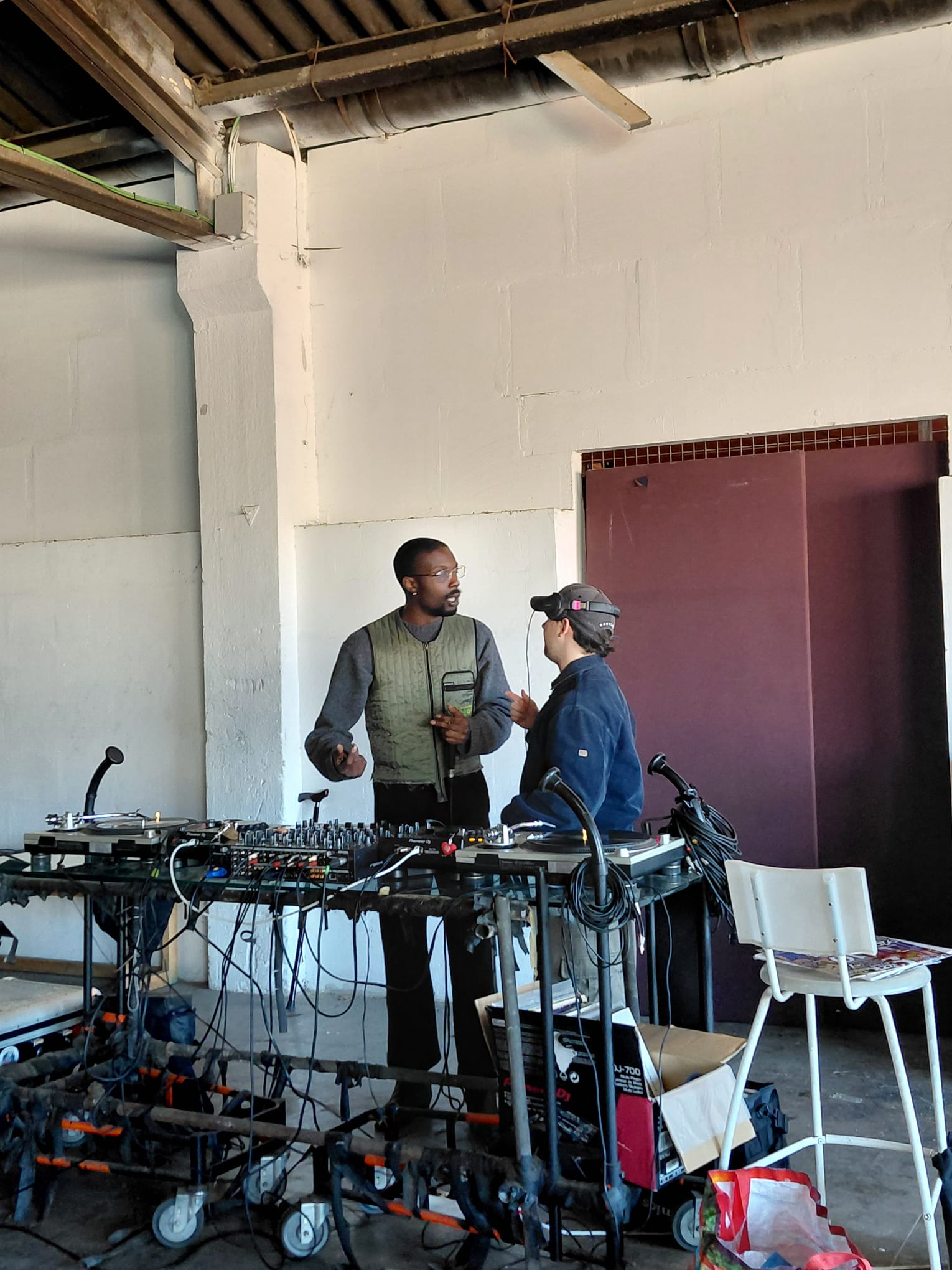
Finally, through the radio station where we are both residents (Subtle Radio), I got in touch with the @azadi_Sound crew. I was delighted when they invited me to bring some records and test them on their brand-new sound system. But the month still had one last surprise in store. I met Hans, and we immediately clicked. When it was my turn to hop on the decks, he kept the mic in hand and asked if he could sing over some of my tracks. Of course, I said yes.
We ended up having an absolute blast. Before I even realized it, I had been playing for about thirty minutes. It was time to crack open a delicious handcrafted beer, sit down, and enjoy a homemade Ital stew while DJs keep rotating behind the decks, dropping hidden gems and classics. I was in heaven for a Sunday afternoon. Everything made sense. The sounds, the community behind them, the space it is all happening in. I couldn't be more thankful.
A Journey Across Space and Time: Soulquarians Galaxy at @the_station
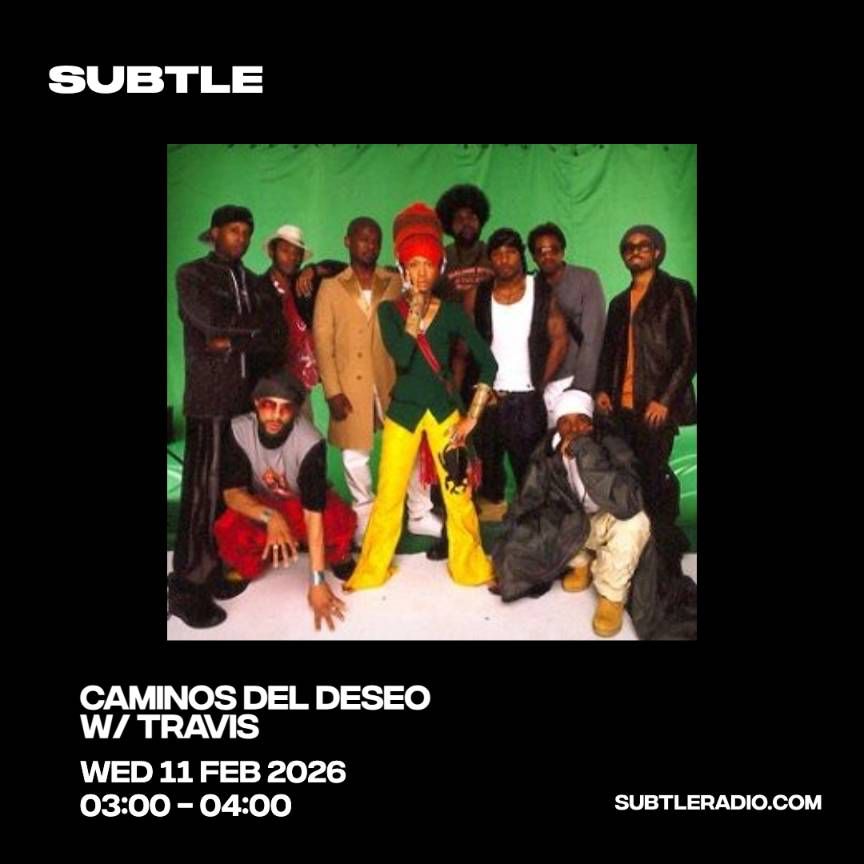
People who know me probably know that the Soulquarians sound doesn't quite run through my veins, but almost. I grew up around it. My parents, and especially my dad, introduced me to it at a young age. I remember listening to Things Fall Apart in the car on the way to school. Not long after, I discovered D'Angelo and ordered his music online; Black Messiah was probably one of the very first records I ever owned myself.
To me, the Soulquarians represent a peak in music. Their sound is beautiful, their lyrics are impactful, and there's an effortless cool that seems to surround everything they do. They embody an era I wish I could have lived through, and judging by how their style and sound have never really gone out of fashion, I'm clearly not the only one who feels that way.
That's why I wanted to dive deeper into their origins and then expand outward, toward some of the artists they've influenced. The idea of a galaxy came to mind because I don't see the Soulquarians as a narrow moment in time, but as something broader and deeper. I began to imagine them in conversation with Afrofuturism, and with how African American culture, in its ongoing search for roots, often balancing spirituality and ancient traditions with modern and contemporary influences. One of my long-standing obsessions in that realm is Drexciya, which I see as one of the summits of Afrofuturist expression.
All things considered, the Soulquarian sound feels transversal: it reaches back to Africa centuries ago while simultaneously looking toward the sky and the stars. There is something deeply human about it, and beyond that, something fundamental about music itself, and why we need it.
Renaissance: Bmore Club mix for @subtle_radio
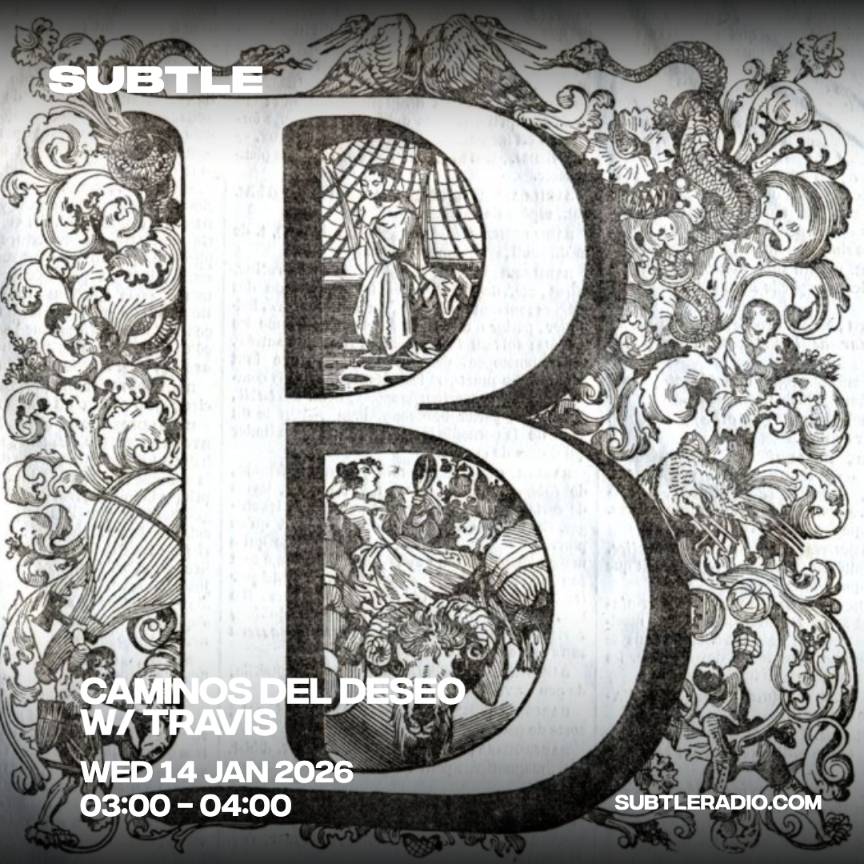
Without further ado, this 2k26 has started quite hectically for me. I've been really busy, first thing going on for me was the recording of my Subtle Radio show, I decided to go for something that I had been working on for the last couple of months: Baltimore Club.
Like many people outside the city, my first image of Baltimore came from The Wire. Distant, fictional, heavy. Years later it became something real when a friend introduced me to DJ Swisha and his incredible set for Sorry Records. That was the turning point. From there I started digging deeper into the sound, the history, and the culture around Baltimore club, and into how this music traveled, mutated, and stayed rooted at the same time.
That journey eventually led me to Al Shepard's book Tough Breaks, which gave more context to the social and cultural weight behind the music. This mix grew out of all of that. It is meant as a tribute to the scene and the people who shaped it, blending OG tracks with the newer generation, moving between rougher, nostalgic textures and brighter, more celebratory moments that reflect the energy and creativity of the city.
It also feels important to acknowledge the work happening around what many call the Baltimore Renaissance. Music is part of how cities reclaim their narratives and imagine different futures. Even when the world leans toward division, sound and culture still create shared ground and shared memory. In that sense, music is never neutral.